
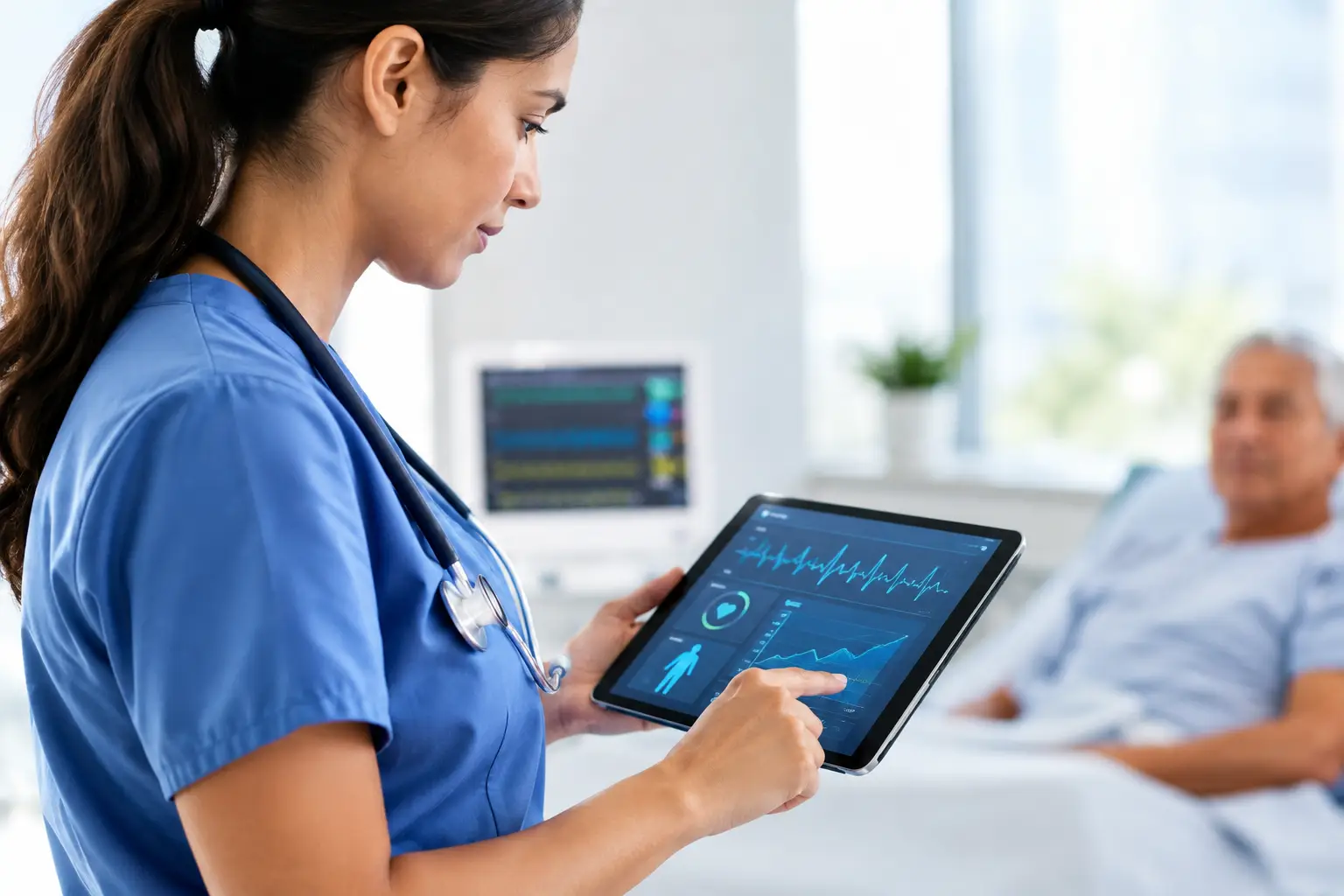
A patient misses a follow-up appointment after a hospital discharge. The clinical record may show the diagnosis, medication list, and recommended next step. It may not show that the patient lost access to reliable transportation that week, is choosing between groceries and prescription costs, or cannot safely recover at home.
Those conditions can change quickly. When care teams are working from information collected months ago, they may be responding to a version of the patient’s life that no longer exists. Real-time health data makes the human context behind utilization, adherence, and outcomes visible when it can still shape the next decision.
For health systems, payers, public health agencies, and community health organizations, that visibility is becoming essential. The ability to capture current patient-reported information about housing, food access, transportation, employment, safety, and daily living conditions can improve how organizations identify risk, organize outreach, and measure whether interventions are making a difference.
Why Real-Time Health Data Changes the Care Conversation
Traditional clinical data remains indispensable, but it is only part of the picture. Claims data can reveal utilization after it occurs. Electronic health records can document an encounter. Annual screenings may identify social needs, but their value declines when the information is not refreshed, connected to workflows, or acted on promptly.
Real-time health data adds a current layer of patient voice. It helps organizations understand not only whether a person has a chronic condition, but whether circumstances are making the care plan feasible this week. A patient with diabetes may have received appropriate clinical guidance, for example, yet still be unable to follow it because food insecurity has intensified or work schedules have changed.
This distinction matters because social risk is not static. Housing stability can change after an eviction notice. Transportation barriers can emerge when a caregiver’s availability shifts. Financial stress can affect medication adherence long before it appears in a clinical note. Continuous, patient-reported insight allows teams to recognize those changes earlier and respond with greater precision.
The objective is not to collect more data for its own sake. It is to give the right team a clearer signal: which patients need outreach now, what barrier may be affecting care, and what action is most likely to help.
From Patient Input to Operational Action
A data strategy becomes valuable when it supports a decision. For many organizations, the challenge is not a lack of concern about social determinants of health. It is the difficulty of translating fragmented information into repeatable operational processes.
A practical real-time approach begins with accessible patient engagement. Mobile-first surveys and other patient-friendly collection methods can capture experiences in the patient’s own context, outside the limited window of a clinical visit. Questions should be relevant, respectful, and designed to identify changes in needs without creating unnecessary burden.
Once collected, information needs to be standardized and connected to care workflows. A care coordinator should not need to search through separate systems to learn that a high-risk patient reported a new transportation barrier. Population health teams need aggregated views that reveal where needs are concentrated, how they vary by condition or geography, and which groups face persistent gaps.
This is where analytics turns information into action. Current social-risk signals can support patient stratification, outreach prioritization, referral planning, and resource allocation. At the population level, they can help leaders see whether a program is reaching people with the greatest need or merely serving those who are easiest to engage.
For example, a health system may find that patients discharged with heart failure are reporting transportation barriers at a higher rate than expected. That insight can inform targeted ride support, telehealth alternatives, or earlier post-discharge outreach. A community program may identify a rise in food insecurity among a particular neighborhood or therapeutic population and adjust partnership capacity before the gap contributes to avoidable utilization.
The Difference Between Current Data and More Data
Healthcare organizations are already managing significant volumes of information. Adding another survey or dashboard without a clear operating model can create fatigue for patients and staff alike. The question is not whether every data point must be collected in real time. The question is which changes in patient circumstance are meaningful enough to alter care decisions.
That requires thoughtful design. Organizations should define the use cases before selecting measures: reducing avoidable emergency department use, improving medication adherence, strengthening post-discharge support, identifying inequities in access, or evaluating community investments. Each use case calls for different data elements, refresh rates, and response pathways.
A patient with a stable care plan may not need frequent outreach. A patient transitioning from inpatient to home, managing multiple chronic conditions, or reporting a recent social disruption may benefit from more timely assessment. The right cadence depends on the population, therapeutic area, program objective, and capacity to respond.
Data quality also matters. Patient-reported information should be collected with clear consent practices, appropriate privacy safeguards, and a commitment to using the information in ways patients can understand. When patients share sensitive circumstances, the organization has a responsibility to make that exchange meaningful. Asking about food, housing, or safety without a plan for follow-up can erode trust.
Building a Real-Time Health Data Strategy That Can Scale
Successful programs balance compassion with operational discipline. They make it easy for patients to share relevant information, easy for teams to interpret it, and possible for the organization to act at scale.
Start by mapping the decisions that social-risk data should improve. Care management leaders may need alerts that identify patients whose reported barriers could affect an upcoming appointment. Population health teams may need dashboards showing trends by condition, payer mix, or ZIP code. Executives may need evidence that investments in navigation, transportation, or community partnerships are reaching priority populations and influencing outcomes.
Next, establish response ownership. A real-time signal without an accountable team can become another unattended alert. Define who reviews high-priority needs, how referrals are made, what constitutes a closed loop, and how outcomes are documented. In some settings, a nurse navigator may address the issue directly. In others, a community health worker, social worker, or external community-based organization may be the appropriate partner.
Organizations should also measure both process and impact. Process measures can include survey participation, time from identified need to outreach, successful referral completion, and the percentage of patients whose needs are reassessed. Impact measures may include reduced missed appointments, improved adherence, fewer avoidable acute events, better patient experience, or narrowing disparities across populations.
A national, continuously refreshed dataset can add another level of value. It enables leaders to benchmark local patterns against broader patient-reported trends and understand how social needs differ across therapeutic areas. rXperius Health supports this work by combining ongoing patient input across 35 therapeutic areas with analytics designed for clinical, operational, and population health use.
Health Equity Requires a More Current View
Health equity work often begins with identifying disparities, but identification alone does not change outcomes. Organizations need timely evidence of where barriers are emerging, who is being missed by existing programs, and whether resources are aligned with actual patient needs.
Real-time patient-reported insight can reveal inequities that aggregate clinical measures obscure. Two patients may have the same diagnosis and similar utilization history while facing very different constraints in obtaining care. When those constraints are visible, teams can move beyond one-size-fits-all outreach and design support around what patients say is affecting their health.
There is a necessary caution here: data should guide equitable action, not reinforce assumptions. Social-risk indicators are not a substitute for listening to individuals or for understanding the strengths within communities. They are signals that should prompt respectful conversations, targeted support, and better partnership with local organizations.
The most useful health data does more than describe a population. It helps care teams recognize the moment when a patient’s circumstances have changed and gives them a practical way to respond. When patient voices are collected continuously and used responsibly, organizations can make smarter decisions while delivering care that reflects the full reality of people’s lives.