
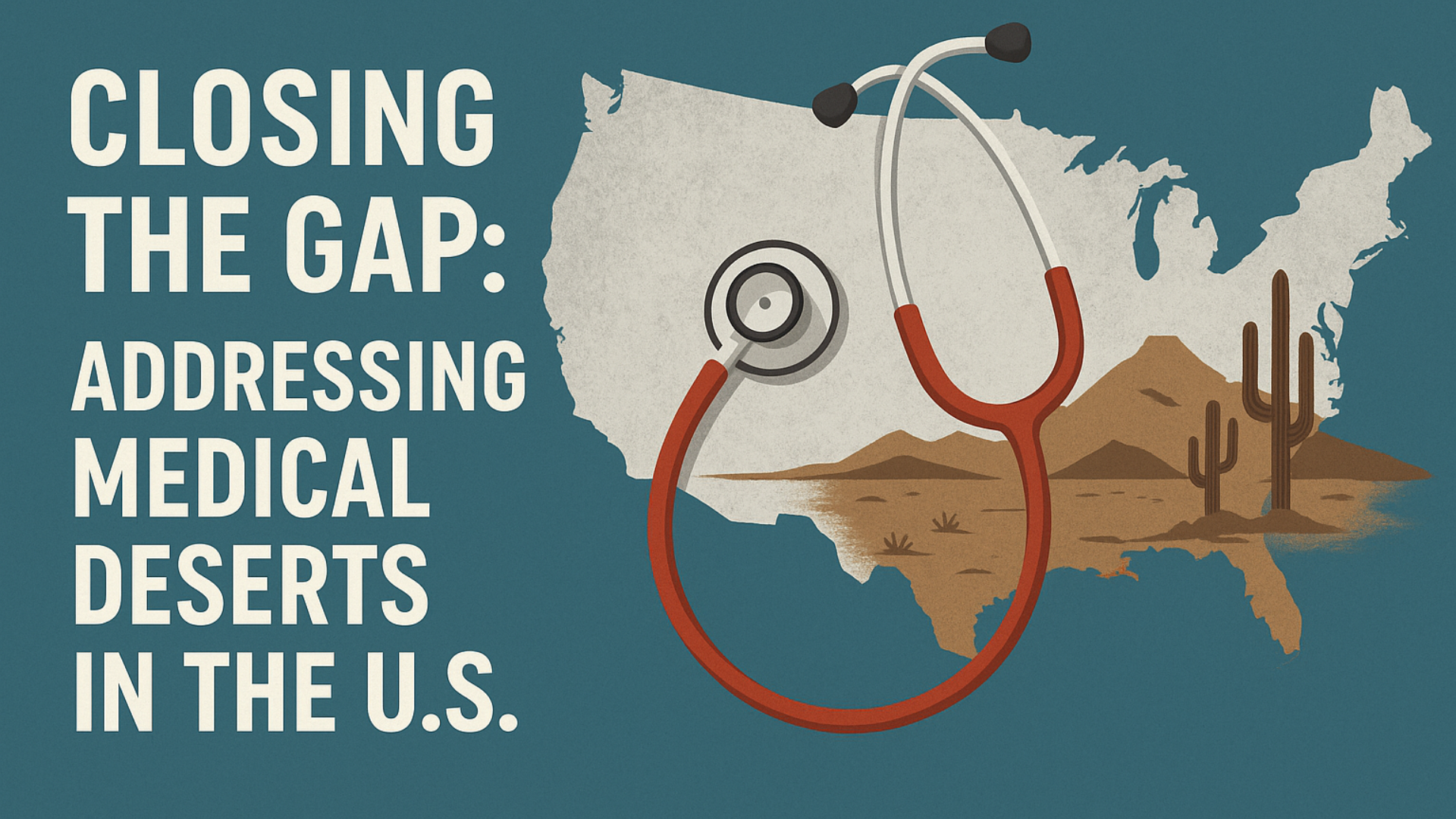
If seeing a doctor feels harder than ever, you’re not imagining it. Millions of people live in places where basic healthcare just isn’t within reach. This isn’t fiction for millions of Americans living in medical deserts, where about 83 million Americans live in areas that don’t have sufficient access to a primary care physician. These healthcare-starved regions force people to choose between their health and their livelihood, creating dangerous gaps that affect entire communities.
What Are Medical Deserts and Why Should You Care?
Medical deserts represent America’s most pressing yet under-discussed healthcare crisis. Unlike simple rural shortages, these areas lack adequate access to five critical components: primary care physicians, hospitals, pharmacies, mental health services, and specialty care. What makes this different from typical access issues is the compound effect of multiple barriers occurring simultaneously.
Healthcare deserts don’t exist only in remote farmlands. They’re hidden throughout America, affecting over 80 million people in ways that ripple through families and communities. These regions experience a systematic absence of healthcare infrastructure, creating barriers that go far beyond inconvenience.
The Hidden Urban Medical Deserts Most People Don’t Know About
Urban medical deserts in the US often surprise people who assume cities have adequate healthcare coverage. In many metropolitan areas, health care deserts exist within neighborhoods where clinics have closed, specialists have relocated to affluent suburbs, and remaining providers are overwhelmed. These urban gaps create situations where residents might live blocks from a hospital but can’t access the specific care they need.
America’s Rural Healthcare Collapse is Accelerating Faster Than Anyone Realizes
Rural areas face the most visible form of health deserts. Hospital closures have accelerated in recent years, with entire counties losing their only medical facilities. The lack of access to healthcare in rural areas stems from economic pressures that make it financially impossible for small hospitals to remain open. When these facilities close, residents face hour-long drives for basic care.
The Real Cost of Medical Deserts Goes Far Beyond Healthcare Bills
Medical deserts create hidden costs that extend into every aspect of community life. Families lose income when they travel hours for appointments. Local businesses struggle to attract employees concerned about healthcare access. Property values decline when communities can’t offer basic medical services. These economic ripples turn healthcare shortages into community-wide crises.
The cumulative impact transforms access to healthcare in rural areas from a medical issue into an economic development problem that affects entire regions.
Who Gets Left Behind: The Human Face of Medical Deserts
Understanding who suffers most in healthcare deserts reveals the human story behind these statistics. Different populations face unique challenges that compound the basic problem of geographic isolation or provider shortage.
Rural Communities Face a Perfect Storm of Healthcare Challenges
Rural residents in medical deserts deal with multiple simultaneous pressures. They’re more likely to work in physically demanding jobs that increase injury risk, yet they have the furthest to travel for care. Many rural workers can’t take time off during business hours, making it nearly impossible to schedule appointments. Agricultural communities often lack the broadband infrastructure needed for telehealth alternatives.
Low-Income Urban Neighborhoods Become Islands of Medical Neglect
Urban health care deserts disproportionately affect low-income neighborhoods where residents rely on public transportation. When clinics close or specialists move to wealthier areas, these communities become isolated islands within their own cities. Many residents work multiple jobs without paid sick leave, making it difficult to seek care even when it’s available.
Elderly Americans Are Trapped Between Geography and Mobility
Senior citizens face unique challenges in health deserts. They need more frequent medical care, but often can’t drive long distances safely. Fixed incomes make it harder to afford travel costs associated with distant care. Many elderly residents have complex medical needs
requiring multiple specialists, compounding the access problem when those services aren’t locally available.
Minority Communities Experience Double Discrimination in Healthcare Access
Communities of color in medical deserts face additional barriers beyond geographic isolation. Language barriers can make it difficult to access care even when it exists. Cultural competency issues may make available providers less effective. Historical medical discrimination creates mistrust that prevents some individuals from seeking care when they do find accessible options.
These overlapping challenges create particularly severe impacts for minority populations who already face health disparities in well-served areas.
The Root Causes Creating Medical Deserts Across America
Understanding why healthcare deserts form requires examining systemic failures that create and maintain these gaps. Multiple interconnected factors work together to drain medical resources from already vulnerable areas.
Hospital Closures Create Domino Effects that Competitors Don’t Discuss
When hospitals close in medical deserts, the impact goes far beyond losing emergency services. The estimated lost revenue for a noninvasive cardiologist opening that sits vacant for six months is about $1.15 million, demonstrating the financial pressure that leads to cascading closures. Specialists often relocate when their referral base disappears. Remaining providers become overwhelmed, leading to burnout and additional departures.
The Physician Shortage Has Geographic Inequality Built Into the System
The Association of American Medical Colleges estimates the physician shortage in the U.S. will increase to 86,000 by 2036. This shortage hits medical deserts hardest because new doctors gravitate toward urban areas with better pay, more resources, and professional development opportunities. Medical school debt averaging over $200,000 makes lower-paying rural positions financially challenging for new graduates.
Insurance Policies Accidentally Incentivize Healthcare Inequality
Insurance networks often exclude rural providers due to lower patient volumes and complex administrative requirements. Narrow networks effectively create coverage deserts within health care deserts. Low reimbursement rates make it financially unviable for providers to accept certain insurance plans, further limiting access for vulnerable populations.
Transportation Barriers Create Invisible Walls Around Care
Lack of access to healthcare in rural areas often stems from transportation challenges that urban residents rarely consider. Limited public transit, unreliable vehicles, and fuel costs create significant barriers. For elderly or disabled residents, transportation becomes an insurmountable obstacle even when medical care exists within a reasonable driving distance.
Weather conditions can make dangerous roads impassable for months, effectively cutting off entire communities from medical care during critical periods.
Technology Solutions That Are Actually Working Right Now
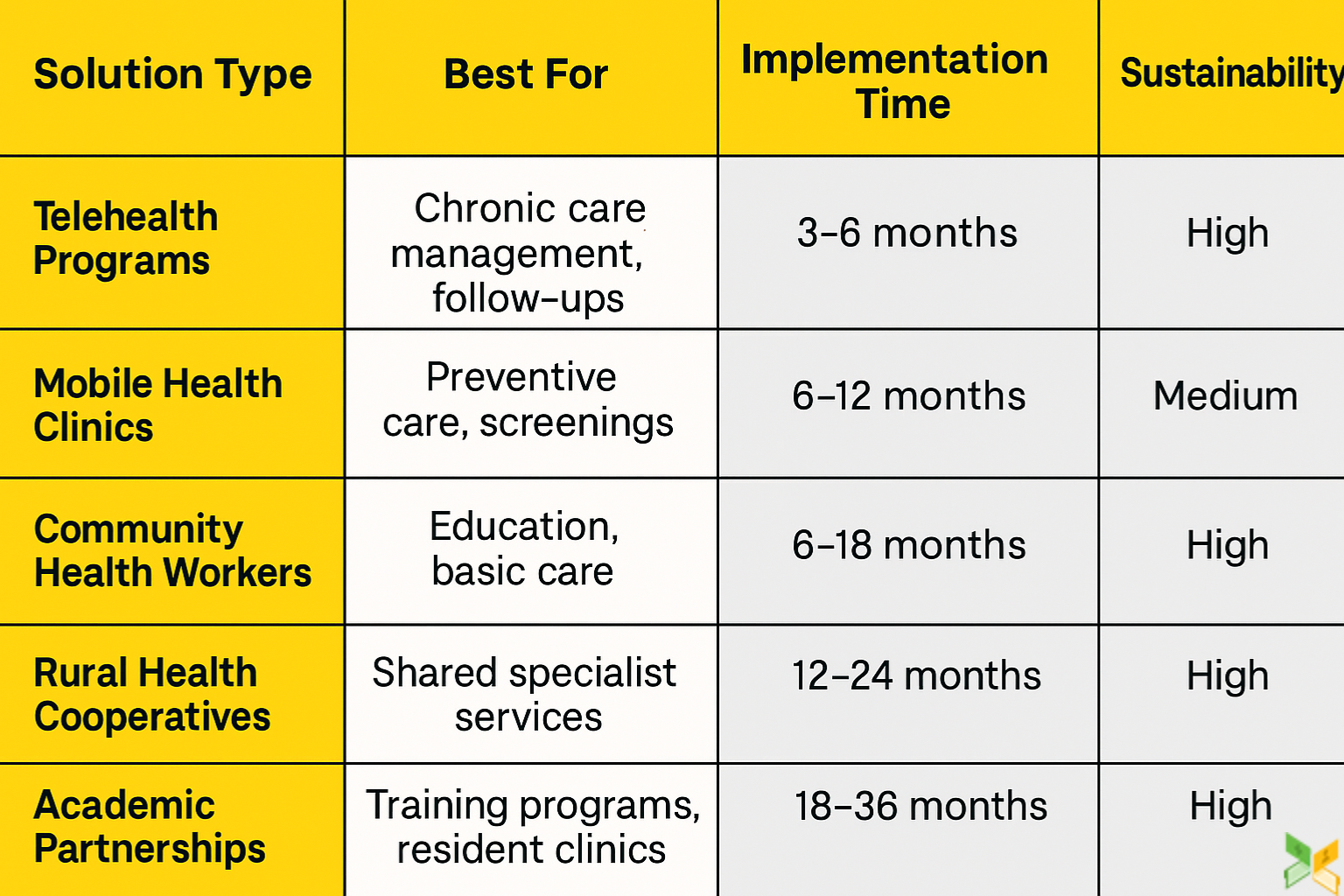
Innovation is beginning to address medical deserts through practical applications that work within existing constraints. Telehealth has moved beyond basic video calls to include sophisticated diagnostic tools that bring specialist-level care to remote areas. Mobile health clinics are revolutionizing care delivery by taking services directly to underserved communities.
AI-powered diagnostic tools help local providers make specialist-level decisions without requiring patient travel. Community health worker programs scale effectively by training residents to provide basic care and health education. These solutions work because they address real barriers while building on existing community resources.
Remote patient monitoring allows providers to manage chronic conditions without requiring frequent office visits. Telepharmacy enables medication management in areas without local pharmacies. These technologies succeed when they’re designed with the specific challenges of healthcare deserts in mind.
Policy Solutions and Funding Opportunities You Can Act On
Federal and state provider fee and directed payment programs can pressure government costs, but support expanding health care to individuals in uninsured or underinsured areas. Many communities don’t realize they qualify for existing federal programs that could bring healthcare resources to their areas.
State-level initiatives create sustainable infrastructure through creative financing models. The National Health Service Corps offers loan forgiveness for providers who commit to working in underserved areas. Rural Health Grants support facility development and equipment purchases. Public-private partnerships leverage government funding with private investment to create viable healthcare solutions.
Local advocacy strategies with proven track records include organizing community health assessments, engaging elected representatives with specific data, and building coalitions that cross political boundaries. These approaches work because they present concrete solutions rather than just highlighting problems.
Building Community-Driven Solutions That Last
Sustainable solutions for health deserts often come from within affected communities rather than external interventions. Local ownership creates investment and ensures solutions address actual community needs rather than perceived problems.
Grassroots Organizing Techniques for Healthcare Access
Successful grassroots efforts start with documenting the local healthcare access problem through surveys and community meetings. Building coalitions that include business leaders, religious organizations, and civic groups creates broader support. Effective organizers focus on specific, achievable goals rather than trying to solve everything at once.
Leveraging Academic Partnerships for Sustainable Care Models
Regional healthcare cooperatives share resources across multiple communities, making specialist care more affordable and accessible. Medical schools increasingly partner with rural communities to provide training sites while meeting local healthcare needs. These partnerships work because they create mutually beneficial relationships that address both education and access needs.
Innovative financing models include community ownership of clinics, where local investment creates long-term sustainability without depending on outside funding.
The Future of Medical Desert Solutions
Emerging technologies promise to transform how we address medical deserts. 5G networks will enable more sophisticated telehealth applications. Artificial intelligence will continue improving diagnostic capabilities in areas without specialists. Drone delivery may solve pharmacy access in remote regions.
Policy changes on the horizon could accelerate solutions or create new challenges. The most recent estimates from the Congressional Budget Office suggest these Medicaid measures could save $723 billion in the budget, but in combination with changes to provisions of the ACA, may also lead to roughly 15 million people losing health coverage by 2034.
Climate change and demographic shifts will reshape access to healthcare in rural areas by changing where people live and what health challenges they face. Building resilient healthcare systems requires planning for these future challenges while addressing current needs.
Your Role in Closing the Healthcare Gap
Medical deserts aren’t inevitable outcomes but results of policy choices and community decisions that can change. The most successful solutions combine technology innovation, policy reform, and grassroots community action.
Whether you’re a concerned resident, healthcare professional, or community leader, you have the power to transform healthcare access. Start by identifying local challenges, connecting with advocacy groups, and exploring available resources to build sustainable healthcare solutions in your area.
FAQs on Medical Desert Solutions
1. What exactly qualifies as a medical desert?
Areas lacking adequate access to primary care, hospitals, specialists, mental health services, or pharmacies within reasonable travel time and cost.
2. Can telehealth really replace in-person medical care?
Telehealth excels for follow-ups and chronic disease management, but can’t replace hands-on exams or emergency care completely.
3. Why don’t more doctors work in underserved areas?
High medical school debt, lower pay, professional isolation, and limited resources deter many physicians from rural practice.