

Picture this: You’re juggling dozens of patient calls about appointment times, medication questions, and test results while trying to focus on actual patient care.
Sound familiar? Roughly 75% of patients surveyed felt that using digital tools to connect with the healthcare system is somewhat or very important. Digital patient engagement tools are transforming how practitioners deliver care, turning daily frustrations into streamlined processes that benefit both patients and providers.
Why Digital Patient Engagement Tools Are No Longer Optional for Modern Practitioners
The healthcare industry has fundamentally shifted. Patients now expect the same level of digital convenience from their healthcare providers as they receive from their banks, retailers, and other service providers. Gone are the days when a simple phone call sufficed for all patient communication needs.
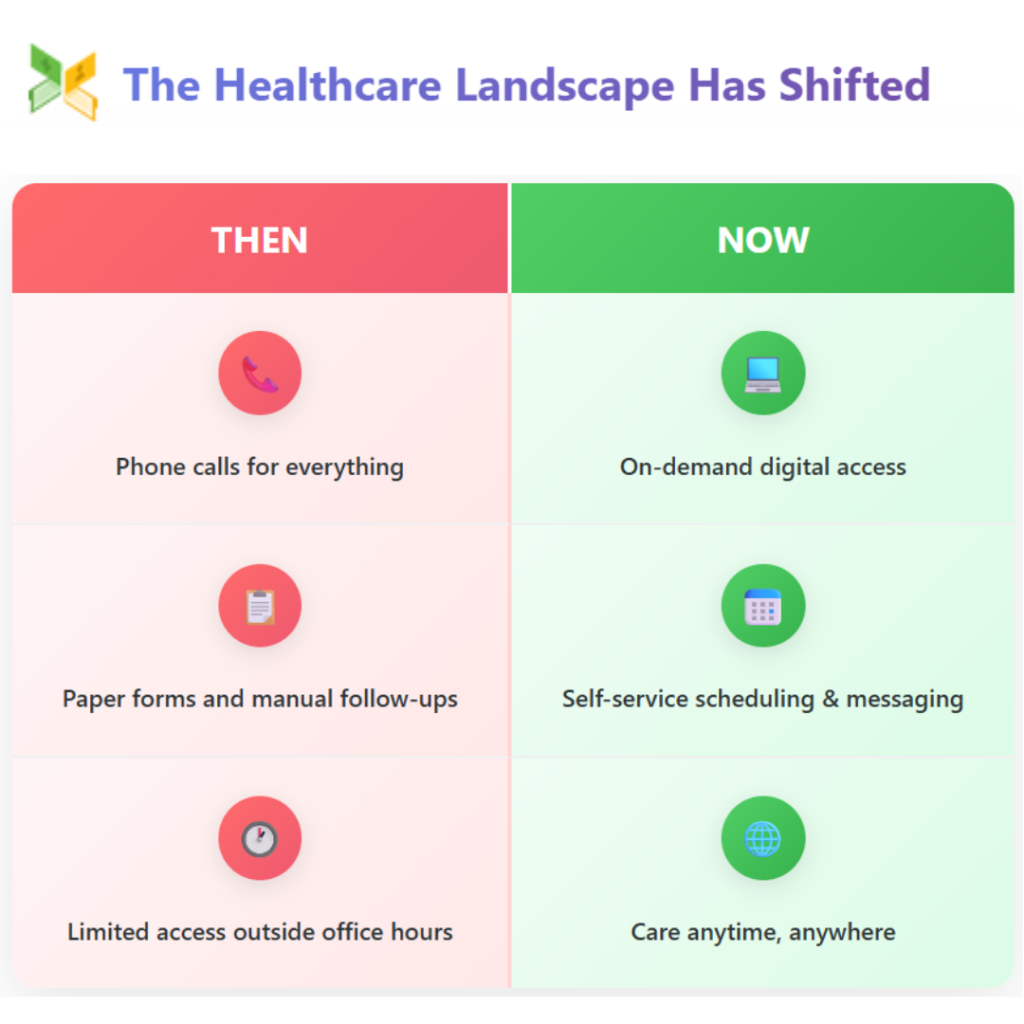
Today’s practitioners face mounting pressure from multiple directions: increasing patient volumes, shrinking reimbursement rates, growing regulatory requirements, and rising patient expectations for accessible, convenient care. Chronic disease management alone shows an increase in programs year over year, highlighting the urgent need for scalable digital solutions.
The most successful practices are already using these tools to create competitive advantages, improve efficiency, and deliver superior patient experiences. Those who delay adoption risk falling behind in an increasingly competitive healthcare market where patient loyalty is earned through convenience and accessibility.
Dramatically Reduces Administrative Burden and Staff Burnout
Patient engagement tools automate routine tasks that typically consume hours of staff time daily. Appointment reminders, prescription refill requests, and basic patient inquiries can be handled automatically, freeing your team to focus on complex patient care tasks.
Making or changing appointments represents a major digital tool usage by patients, which significantly reduces front-desk workloads and improves operational efficiency. Practices using automated systems report reducing administrative calls, allowing staff to dedicate more time to meaningful patient interactions rather than repetitive scheduling tasks.
This shift doesn’t just save time; it directly addresses staff burnout by removing repetitive, mundane tasks that contribute to job dissatisfaction. Your team can focus on what they trained for: providing excellent patient care and building relationships.
The ripple effect extends beyond immediate time savings. When staff aren’t constantly interrupted by routine calls, they can complete other tasks more efficiently, creating a more positive work environment that improves retention and job satisfaction.
Transforms Patient Communication From Reactive to Proactive
Instead of waiting for patients to call with problems, these tools enable proactive outreach for preventive care, wellness checks, and chronic disease management. You can send personalized health reminders, educational content, and follow-up messages that keep patients engaged between visits.
This proactive approach shifts the entire dynamic of patient care. Rather than reacting to emergencies or complications, you can identify potential issues early and intervene before they become serious problems. Patients receive timely medication reminders, appointment notifications, and educational materials tailored to their specific conditions.
The result is better health outcomes, fewer emergency visits, and stronger patient-provider relationships built on consistent, meaningful communication rather than crisis management.
Creates Multiple Revenue Streams Through Enhanced Efficiency
Digital tools don’t just save time; they generate revenue. Patient engagement tools streamline billing processes, reducing collection times and improving cash flow.
Many practitioners discover they can increase patient volume by 15-20% without hiring additional staff. The efficiency gains from automated systems create capacity for more appointments, while digital payment reminders and processing reduce the time between service delivery and payment collection.
Telehealth visits often have higher profit margins than in-person visits due to reduced overhead costs. You can conduct follow-up appointments, routine check-ins, and consultations without the expenses associated with maintaining physical space and support staff for those interactions.
The data analytics provided by these platforms also help identify the most profitable services and patient demographics, allowing you to make informed decisions about resource allocation and service expansion.
Builds Unshakeable Patient Loyalty Through Convenience
Patients who can easily access their health information, communicate with providers, and manage appointments online show significantly higher satisfaction rates and practice loyalty. When patients can handle routine tasks on their own schedule, checking lab results at midnight or requesting prescription refills during lunch breaks, they feel empowered and valued.
Healthcare patient engagement through digital platforms creates a sense of partnership rather than dependency. Patients appreciate being able to review their treatment plans, access educational materials, and communicate with their care team without playing phone tag or waiting for office hours.
This convenience factor becomes particularly important when patients compare your practice to others. Those offering seamless digital experiences often win patient loyalty, while practices still relying solely on traditional methods may lose patients to more tech-savvy competitors.
The loyalty built through convenience translates into long-term relationships, positive word-of-mouth referrals, and reduced patient acquisition costs as satisfied patients become advocates for your practice.
Provides Data-Driven Insights for Better Clinical Decisions
Modern engagement platforms offer powerful analytics that reveal patterns in patient behavior, medication adherence, and health outcomes. This data helps you identify at-risk patients before problems escalate, optimize treatment plans, and make evidence-based decisions about practice operations.
You’ll know which patients need extra attention and can intervene early to prevent complications. The platforms track engagement metrics, showing which patients are actively participating in their care and which may need additional support or different communication strategies.
Improving patient engagement becomes more targeted when you have concrete data about what works and what doesn’t. You can see which types of messages generate the highest response rates, which educational materials are most effective, and which communication channels different patient groups prefer.
This information allows for personalized care approaches that improve outcomes while maximizing the efficiency of your interventions. Rather than using one-size-fits-all communication strategies, you can tailor your approach based on individual patient preferences and behaviors.
Ensures Regulatory Compliance and Risk Management
Digital tools help maintain HIPAA compliance through secure communication channels while creating detailed audit trails for all patient interactions. This documentation protects your practice from liability while meeting increasing regulatory requirements for patient access to health information.
Automated systems also reduce human error in medication management and appointment scheduling. When prescriptions are sent electronically with built-in safety checks, and appointments are confirmed automatically, the risk of mistakes that could lead to patient harm or regulatory violations decreases significantly.
The audit trails created by these systems provide comprehensive documentation of patient communications, which can be invaluable during regulatory reviews or legal proceedings. Every message, appointment change, and information access is logged with timestamps and user identification.
These compliance features aren’t just about avoiding problems; they demonstrate your commitment to patient privacy and safety, which builds trust and confidence in your practice.
Extends Your Clinical Reach Beyond Physical Office Boundaries
Telehealth and remote monitoring capabilities allow you to care for patients who might otherwise struggle to access your services, elderly patients with mobility issues, rural patients with transportation challenges, or busy professionals who can’t take time off work.
The Baystate Health implementation of remote pregnancy monitoring engaged 1,000 patients with an impressive 84% engagement rate while notably reducing postpartum readmissions. This expanded reach increases your patient base while improving access to care for underserved populations.
Remote monitoring tools can track vital signs, medication adherence, and symptom progression without requiring patients to travel to your office. This is particularly valuable for chronic disease management, where regular monitoring is essential but frequent office visits may be burdensome.
The ability to provide care beyond your physical location also creates opportunities for specialized services or follow-up care that might not be financially viable with traditional in-person models.
Integrates Seamlessly With Existing Healthcare Technology
Modern engagement platforms are designed to work with your current Electronic Health Record (EHR) system, creating a unified ecosystem rather than adding complexity. This integration eliminates duplicate data entry, reduces errors, and ensures all patient information is centralized and accessible when you need it most.
The best platforms sync automatically with scheduling systems, billing software, and clinical documentation tools. This means implementing patient engagement tools doesn’t require overhauling your existing workflows; it enhances them by adding digital touchpoints that patients expect.
Integration capabilities also extend to laboratory systems, pharmacy networks, and specialist referral platforms, creating a comprehensive digital health ecosystem that benefits both patients and providers.
This seamless integration is crucial for adoption success. When tools work smoothly with existing systems, staff training requirements are minimized, and resistance to change is reduced.
Digital Tools Comparison: Key Features for Practice Success
|
Feature |
Basic Tools |
Advanced Platforms |
Enterprise Solutions |
|
Appointment Scheduling |
Online booking only |
Automated reminders + booking |
AI-powered optimization |
|
Communication |
Simple messaging |
Two-way secure messaging |
Multi-channel integration |
|
Patient Education |
Static resources |
Interactive content |
Personalized learning paths |
|
Analytics |
Basic usage reports |
Engagement metrics |
Predictive insights |
|
Integration |
Limited EHR sync |
Full EHR integration |
Complete ecosystem connectivity |
|
Cost Range |
$50-100/provider/month |
$150-250/provider/month |
$300+/provider/month |
Transform Your Practice Starting Today
Digital patient engagement tools represent more than just technological upgrades; they’re essential for delivering modern, patient-centered healthcare. From reducing administrative burden to improving clinical outcomes, these technologies offer compelling benefits that directly impact your practice’s success and sustainability.
The practitioners who embrace these tools now will be best positioned to thrive in an increasingly competitive and digitally-driven healthcare environment.
Ready to transform your practice? Start by identifying your biggest pain points and look for digital solutions that address these specific challenges.
FAQs About Digital Patient Engagement Tools
How much time does it take to train staff on new digital tools?
Most modern platforms require 2-4 hours of initial training, with ongoing support available. User-friendly designs minimize learning curves significantly.
Can these tools work with our current practice management system?
Most reputable platforms offer integration with major EHR and practice management systems, ensuring seamless data flow between applications.
How do we measure success after implementing digital engagement tools?
Track metrics like patient satisfaction scores, no-show rates, staff productivity, and patient portal usage to measure impact effectively.