

Picture yourself rushing to the hospital with chest pain. The doctor sees your lab results from three months ago but doesn’t know you’ve been sleeping four hours a night caring for your sick child, or that you’ve been skipping heart medication due to job loss.
Despite technological advances, only 30% of healthcare patients in the United States used their online health management portals in 2020. This disconnect reveals a fundamental problem: EMR data captures medical snapshots but misses the complete story of your daily life.
When Medical Records Miss the Story
Electronic medical records excel at documenting what happens during your 15-minute doctor visit. They record vital signs, lab values, and prescribed medications with precision. However, what is EMR data really telling us about patients? The answer is troubling: not nearly enough.
EMR systems were originally designed for billing and regulatory compliance, not for capturing the messy reality of human health. Your record might show perfect medication adherence during office visits, but it won’t reveal that you’re rationing insulin due to cost concerns. The system documents your diabetes management plan, but misses that you’re working three jobs and have no time for meal planning.
This creates a dangerous illusion where healthcare providers believe they have complete patient information when they’re actually working with fragments. The structured data fields that make computers happy often strip away the context that makes treatment effective. While your EMR shows you missed two appointments, it doesn’t explain that you lack reliable transportation or that your work schedule doesn’t accommodate medical visits.
The 72-Hour Information Blackout
Most EMR updates happen only during scheduled appointments, creating information gaps that can span weeks or months. During these blackout periods, patients experience medication side effects, stress-induced symptom changes, and environmental factors that significantly impact their health.
When Critical Health Changes Happen Between Appointments
Your health doesn’t pause between doctor visits, but EMR data collection does. Heart palpitations that started after your new job stress won’t appear in records until your next appointment. The medication side effect that began three days after your visit remains invisible to your care team.
These gaps become particularly dangerous for patients managing multiple chronic conditions. A diabetic patient might experience blood sugar spikes due to family crisis stress, but this critical context stays hidden from providers, making treatment decisions based on outdated appointment data.
The Weekend, Holiday, and After-Hours Health Reality
Healthcare crises don’t follow business hours, yet EMR systems often operate as if they do. Emergency room visits, urgent care encounters, and after-hours symptoms exist in separate systems that rarely communicate effectively with primary care records.
Weekend medication reactions, holiday stress impacts, and late-night symptom changes remain largely undocumented in primary EMR systems. This creates a Monday-through-Friday view of patient health that misses critical patterns occurring during vulnerable off-hours periods when support systems are limited.
While EMRs struggle with real-time health data, they face even greater challenges in documenting the social factors that drive most health outcomes.
The Social Context Void
EMR systems rarely capture whether patients have stable housing, reliable transportation, or consistent access to nutritious food. These social determinants of health affect a large share of health outcomes, yet they remain largely invisible in traditional medical records. Research shows that individuals living in Central-West, South regions, or other non-urban areas, as well as deprived urban neighborhoods, are generally less likely to access their EHR portals.
Housing, Transportation, and Basic Needs Invisibility
Your EMR might document high blood pressure, but won’t note that you’re living in temporary housing with three other families, making medication storage and stress management nearly impossible. The record shows missed physical therapy appointments, but doesn’t capture that you rely on public transportation that doesn’t run to the clinic.
Food insecurity affects medication effectiveness and chronic disease management, yet this information rarely makes it into structured EMR fields. Patients might achieve perfect attendance at appointments while struggling with basic needs that undermine every treatment recommendation.
The Family Dynamics and Support System Blind Spot
Family caregiving responsibilities significantly influence health decisions and outcomes, but EMR systems typically focus on individual patients rather than family systems. A patient might consistently miss diabetes self-care goals not due to lack of understanding, but because they’re prioritizing care for a disabled family member.
Social support networks affect medication adherence, appointment attendance, and mental health outcomes. Patients with strong family support systems have better health outcomes, yet this crucial context rarely appears in medical records, leaving providers to make treatment plans without understanding available resources.
The documentation gaps extend beyond social factors to include the emotional and psychological aspects of patient experience.
Emotional and Mental Health Underdocumented Reality
Mental health conditions significantly impact physical health outcomes, but they remain among the most poorly documented aspects of patient care. EMR data analytics could reveal important patterns, but only if the underlying data includes accurate mental health information.
The Stigma-Driven Documentation Gap
Patients often avoid discussing anxiety, depression, or stress during medical visits focused on physical symptoms. The brief nature of most appointments leaves little time for emotional health assessment, and patients may fear judgment or insurance discrimination if mental health concerns are documented.
Healthcare providers, pressed for time, might focus on immediate physical complaints while missing underlying psychological factors. A patient’s recurring headaches might be stress-related, but if stress isn’t discussed or documented, treatment focuses on symptoms rather than root causes.
Pain, Fatigue, and Subjective Experience Challenges
Chronic pain and fatigue prove difficult to quantify in EMR systems designed for objective measurements. Pain scales reduce complex experiences to numbers that fail to capture how symptoms affect daily functioning, work productivity, or family relationships.
EMR data extraction techniques can pull numeric pain scores, but miss the qualitative descriptions that help providers understand patient experience. The exhaustion that makes it impossible to prepare healthy meals or the pain that prevents social activities doesn’t translate well into structured data fields that computers can process.
EMR limitations extend beyond individual patient factors to include broader cultural and linguistic barriers.
Cultural and Language Barriers in EMR Documentation
Healthcare providers may struggle to accurately document health concerns that don’t translate well across cultural contexts. Traditional healing practices, cultural approaches to illness, and family decision-making structures often remain invisible in EMR systems designed around Western medical models.
Lost in Translation: When Cultural Context Goes Missing
Cultural concepts of health and illness get filtered through standardized EMR templates, potentially losing crucial context for effective care. Religious considerations, traditional healing practices, and cultural dietary restrictions might be mentioned briefly but rarely documented in ways that inform ongoing treatment decisions.
Family involvement in healthcare decisions varies significantly across cultures, but EMR systems typically focus on individual consent and decision-making. This can lead to treatment plans that conflict with cultural values or family dynamics essential for successful implementation.
The Language Barrier Documentation Problem
While interpreters help during visits, the cultural context of symptoms and concerns often gets simplified during EMR documentation. Complex family dynamics, religious considerations, or cultural healing practices may be reduced to brief notes that miss their significance for treatment planning.
EMR pharmacy integration might flag drug interactions, but won’t identify conflicts between prescribed medications and traditional remedies patients continue using. This gap in cultural documentation can lead to medication adherence problems or unexpected drug interactions that could have been prevented with a better cultural context.
These communication barriers connect directly to broader technological integration failures.
Technology Integration Failures
Millions of patients use fitness trackers, sleep monitors, and health apps daily, generating rich data about their everyday health patterns. However, EMR data integration with consumer health technology remains limited, missing opportunities for comprehensive patient understanding.
The Wearable Device Data Desert
Patients generate continuous streams of health data through smartphones and wearable devices, tracking everything from heart rate patterns to sleep quality. This information could provide valuable insights into how daily activities, stress levels, and environmental factors affect health outcomes.
Most EMR systems can’t meaningfully integrate this patient-generated data, creating a disconnect between what patients track about their health and what providers see in medical records. Sleep data that could explain fatigue complaints or activity data that could inform cardiac rehabilitation remain trapped in separate apps and devices.
Social Media and Digital Behavioral Insights
Patients often share health experiences on social media platforms or health forums, providing authentic insights into their daily struggles with chronic conditions. These unfiltered patient voices contain valuable information about treatment adherence, side effects, and quality of life impacts.
This wealth of behavioral and experiential data remains completely separate from clinical records, despite containing information that could significantly improve treatment personalization and patient support strategies.
Economic realities represent another major blind spot in EMR documentation.
The Economic Reality Gap
EMR systems typically show what treatments were prescribed, but not whether patients can afford them. EMR data includes medication lists but rarely documents the economic barriers that affect treatment adherence and health outcomes.
Insurance, Copayments, and Treatment Accessibility
Many patients adjust their medication regimens due to cost concerns, yet this information is often missing from EMRs. As a result, patients may appear “non-compliant” with treatment plans when the underlying issue is financial accessibility. Prescription costs, copayment burdens, and insurance coverage changes significantly influence patient behavior.
Yet these economic factors rarely receive systematic documentation in medical records. Providers might recommend treatments without realizing the financial barriers that make adherence difficult or impossible.
Employment and Insurance Stability Impact
Job loss, insurance changes, and economic instability significantly impact health outcomes and treatment continuity, but these life changes rarely trigger EMR updates unless they directly affect appointment scheduling or insurance verification.
Employment stress, income instability, and insurance coverage gaps all affect health outcomes, but documentation of these factors remains inconsistent and often incomplete. Patients might avoid seeking care due to economic concerns, but this avoidance behavior doesn’t get captured in EMR systems focused on documenting completed visits.
Provider-related factors also contribute to EMR documentation limitations.
Provider Bias and Documentation Blind Spots
Healthcare providers may unconsciously filter patient information through their own assumptions about compliance, lifestyle, or social factors. Research reveals that 93.7% of healthcare professionals report that poor EMR interoperability negatively affects their day-to-day clinical workflow, with nearly one-third experiencing these disruptions “most of the time” or “always”.
The Assumption-Based Documentation Problem
Documentation can reflect provider perceptions rather than patient reality, particularly impacting marginalized communities. Studies show significant documentation disparities based on patient race, socioeconomic status, and insurance type, with some symptoms being under-documented while others receive disproportionate emphasis.
Providers might document what they expect to see rather than what patients actually experience, leading to records that reinforce biases rather than capture accurate patient information. These documentation patterns can perpetuate healthcare disparities and limit understanding of social factors affecting health.
Time Pressure and Information Triage
The average primary care visit lasts 18 minutes, forcing providers to prioritize immediately urgent medical concerns over broader life context. Important psychosocial factors may be noted mentally but never documented due to time constraints and EMR interface limitations.
Providers often lack time to properly document social determinants, family dynamics, or environmental factors that significantly impact health outcomes. The pressure to complete documentation quickly leads to a focus on billable medical codes rather than comprehensive patient understanding.
Regulatory and legal constraints add another layer of complexity to EMR documentation challenges.
Regulatory and Privacy Constraints That Limit Life Context
Privacy regulations, while essential, sometimes create overly cautious documentation practices where providers avoid recording sensitive but medically relevant information about domestic situations, substance use, or mental health concerns.
HIPAA and the Overly Cautious Documentation Culture
Privacy concerns can lead to under-documentation of sensitive information that would actually help other healthcare team members provide more appropriate care. Providers might avoid noting domestic violence concerns, substance use patterns, or financial stressors that significantly impact health outcomes.
The complexity of privacy regulations can create confusion about what information can be legally documented and shared, leading to conservative approaches that prioritize compliance over comprehensive patient understanding.
Legal Liability Concerns Affecting Honest Documentation
Providers may avoid documenting certain patient behaviors or social situations due to liability concerns, creating gaps in the record that could actually help healthcare teams provide more effective interventions. Fear of legal repercussions can prevent honest documentation of patient challenges that require supportive interventions.
Malpractice concerns might discourage documentation of social factors or patient behaviors that could be misinterpreted in legal contexts, even when this information is crucial for understanding patient needs and treatment barriers.
Despite these challenges, innovative solutions are emerging to bridge the gap between EMR data and patient reality.
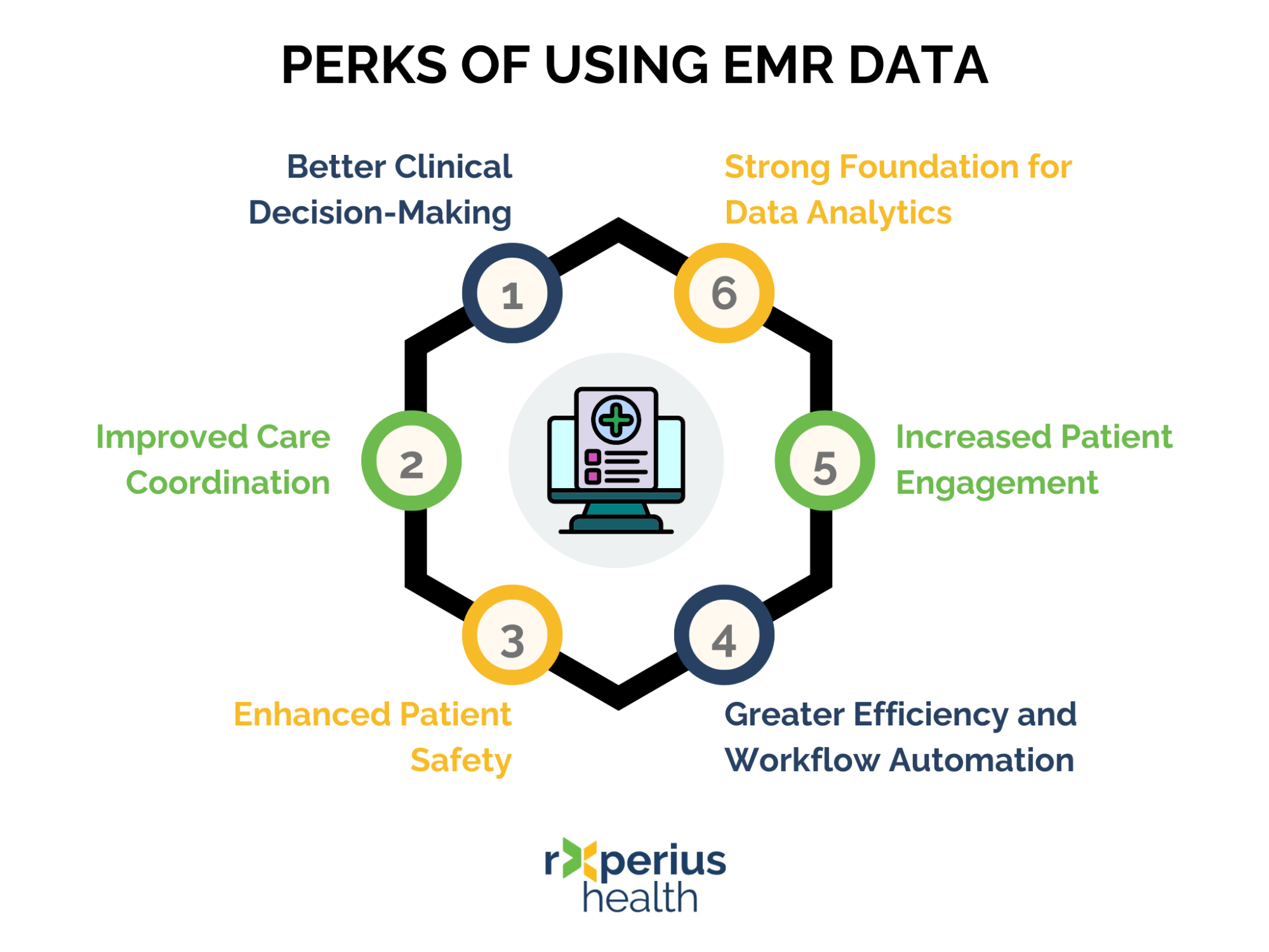
Solutions and Innovations: Bridging the EMR-Reality Gap
Healthcare organizations are implementing innovative approaches to capture more complete patient information. Many NHS trusts now use electronic patient record (EPR) systems, providing a strong foundation for implementing enhanced data collection strategies.
Patient-Centered Data Collection Tools
Tablet-based check-ins, mobile apps, and patient portal features can capture social determinants, emotional well-being, and daily life challenges in standardized ways that integrate with EMR workflows. Healthcare systems that incorporate social needs screening often see clearer care coordination pathways and improvements in patient engagement.
These tools allow patients to share information about housing stability, transportation challenges, and family dynamics that significantly impact their health outcomes but rarely surface during brief clinical encounters.
Artificial Intelligence and Natural Language Processing
AI tools are beginning to analyze unstructured EMR notes, patient messages, and voice recordings to identify patterns and contexts that traditional structured fields miss. These technologies can surface important life factors that impact health outcomes by scanning free-text notes for social determinants mentions.
EMR data analytics powered by AI can identify patients at risk for medication non-adherence based on documented social factors, enabling proactive interventions that address root causes rather than just symptoms.
Community Health Worker Integration
Some healthcare systems integrate community health workers who conduct home visits and document social, economic, and environmental factors directly into EMR systems. This provides context that clinical visits cannot capture, including housing conditions, family dynamics, and community resources.
Community health workers bridge the gap between clinical care and social services, documenting information about transportation barriers, food insecurity, and family support systems that significantly impact treatment success.
Interoperable Health Information Exchanges
The NHS Research Secure Data Environment Network strengthens this ecosystem, aiming to deliver an England-wide system of secure data environments. Regional health information exchanges that connect EMRs with social services, public health departments, and community organizations can provide a more complete picture of patient circumstances.
These exchanges enable the sharing of information about housing assistance, transportation programs, and social services that patients access, providing healthcare providers with a better understanding of available resources and patient support systems.
|
EMR Data Component |
What’s Captured |
What’s Missing |
Impact on Care |
|
Medical History |
Lab results, diagnoses, procedures |
Social context, daily stressors, family dynamics |
Limited understanding of root causes |
|
Medication Records |
Prescribed drugs, dosages |
Cost barriers, side effects between visits |
Poor adherence, safety concerns |
|
Social Information |
Basic demographics |
Housing, transportation, food security |
Ineffective treatment plans |
|
Mental Health |
Diagnosed conditions |
Every day stress, family conflicts |
Missed opportunities for support |
|
Technology Data |
Clinical device readings |
Wearable data, patient-generated health info |
Limited real-time insights |
Moving Forward: The Path to Patient-Centered Records
The gap between EMR documentation and patient reality represents healthcare’s most significant blind spot. While technology exists to capture comprehensive patient information, systemic barriers prevent meaningful progress. Success requires regulatory frameworks that incentivize interoperability, financial support for social needs screening, and cultural shifts toward holistic documentation.
Most importantly, we must recognize that effective healthcare depends on understanding patients as complete human beings, not collections of symptoms and test results.
FAQs on EMR Data Limitations
- Can patients add their own daily life information to EMRs?
Most modern EMR systems include patient portals for adding notes and health updates. However, provider adoption varies, and many physicians miss patient-entered information due to interface design or time constraints.
- How do EMR limitations specifically impact rural patients?
Rural patients face unique challenges, including limited transportation, seasonal work patterns, and different social support networks. These factors rarely appear in EMR documentation, making rural care coordination particularly difficult.
- Are there legal risks for providers who don’t document social factors?
While there’s no legal requirement to document social determinants, providers can face liability if they ignore obvious barriers to care that impact patient outcomes. Focus should be on medically relevant factors.